


How to stop food poisoning bacteria from spreading
One of the main causes of food poisoning is cross contamination – when bacteria from raw food gets onto the food you eat.
Young children, older people, pregnant women and anyone with a weakened immune system are especially vulnerable to food poisoning – even a small amount of harmful bacteria can make them seriously ill.
How does cross contamination happen? When preparing raw food, like a chicken fillet, bacteria might get on your hands, a chopping board, a knife – even your kitchen tap when you turn it on to wash your hands.
92% of people feel confident they cook safely – yet only 1 in 7 can identify cross-contamination as a way harmful bacteria spread in the kitchen.
In a busy kitchen it’s hard to keep track of what’s touched what, so the best way to stop those bacteria in their tracks is to clean as you go.
Your bacteria-busting kitchen action plan
1. Wash your hands after handling raw food
74% of people didn't wash their hands after handling raw eggs. Around one third didn't wash them after handling raw chicken.
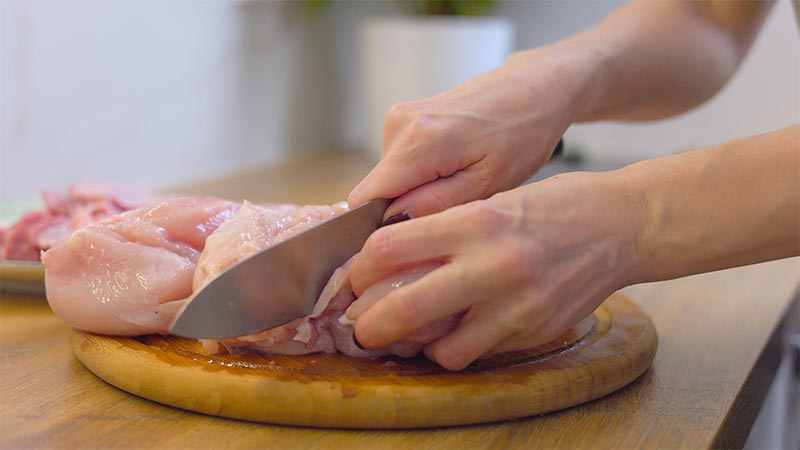
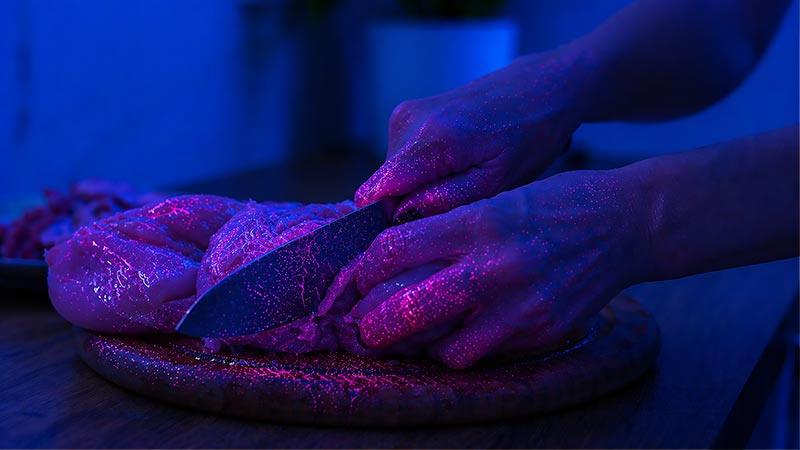
Your hands are the main way bacteria spreads in the kitchen. Washing them with warm soapy water is the best way of preventing food poisoning bacteria from spreading. Do this for at least 20 seconds after handling raw meat, poultry, fish, eggs, fruit and vegetables.
Also wash your hands after using the toilet, handling rubbish, coughing or sneezing, touching pets, or using your phone while cooking.
How to wash your hands properly
2. Scrub boards and utensils after every use with raw food
Around 1 in 3 people don't properly clean knives or chopping boards between foods.
Wash knives, boards and any other utensils that have touched raw meat, poultry or seafood with hot soapy water immediately after use – and never flip a chopping board to use the other side without washing it first.
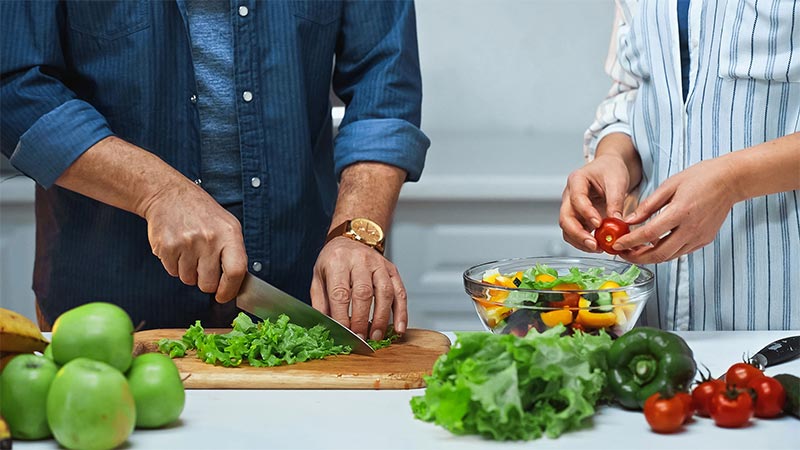
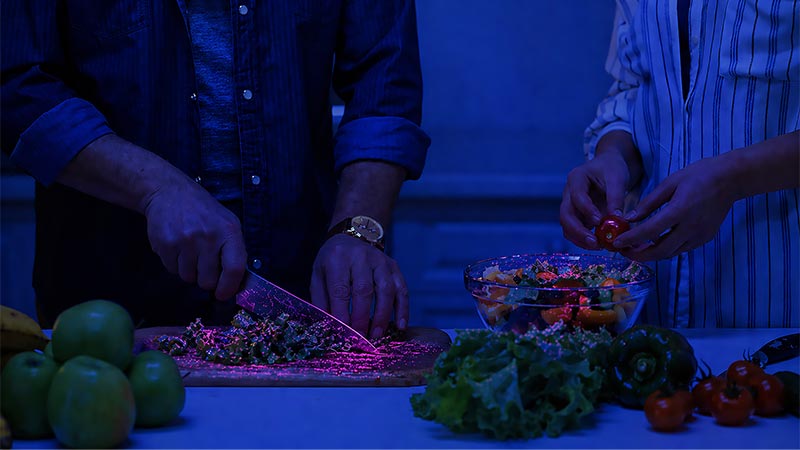
Plastic boards can go in the dishwasher; wooden ones should be hand-washed and stood upright to dry.
3. Wipe surfaces and worktops as you go
Food poisoning bacteria can live on worktops for several days.
Most people clean before or after cooking but are less consistent about cleaning between steps. While you're preparing food, clean up spills immediately. After cutting raw meat or fish, wash the surrounding surface as well as the board and knife. Don't forget handles, taps and appliance doors – anything you touch while cooking.
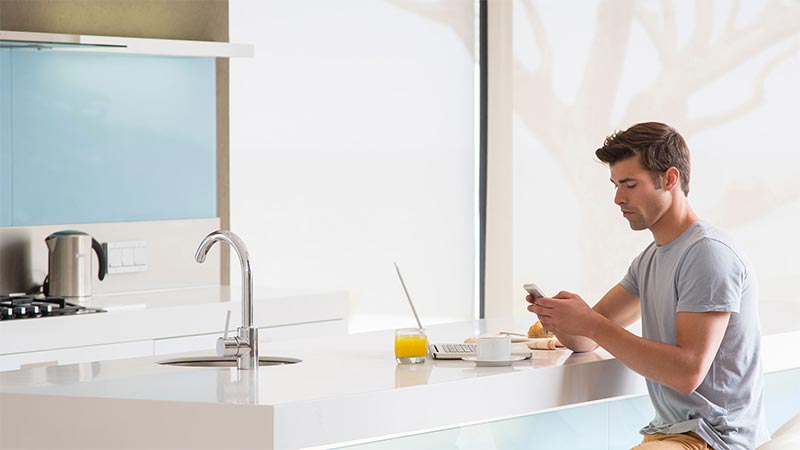

4. Change dishcloths every two days - sooner if needed
Safefood research found E. coli on more than a quarter of dishcloths tested, and Listeria on more than 1 in 8.
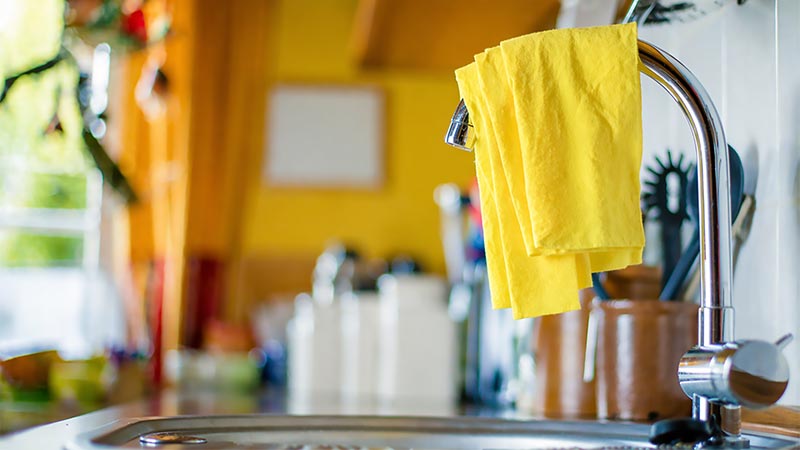
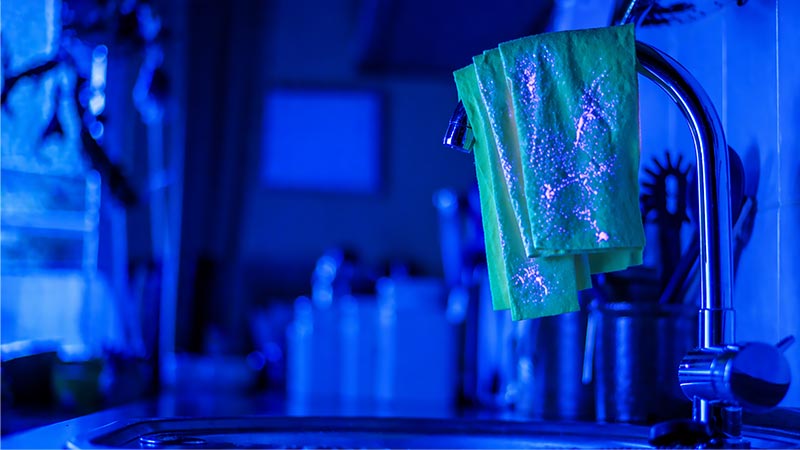
Have different dishcloths for washing dishes and wiping surfaces. Swap yours every two days, or immediately if it's touched raw meat or vegetable juices.After each use, wring it out and hang it up to dry - cloths that are left crumpled up stay wet, so they often contain even larger numbers of bacteria.
Wash on a hot machine cycle or boil for 15 minutes.
5. Clean your phone after cooking
Bacteria like Salmonella and E. coli can survive on phone screens for more than 24 hours.
Most of us use our phones while cooking – to follow a recipe, check a timer, or watch a video. Wash your hands before picking up your phone and avoid touching it after handling raw food.
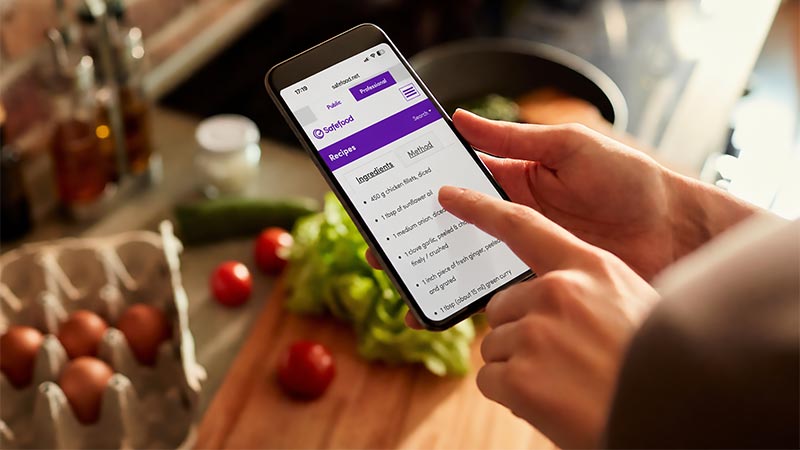
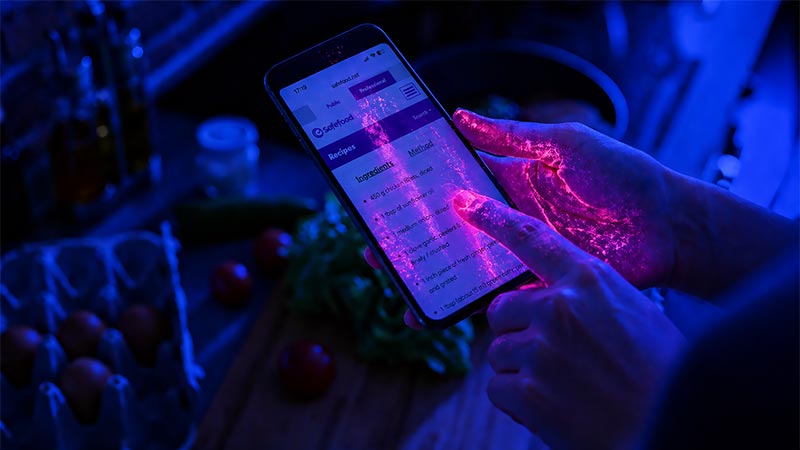
After cooking, wipe your device down with antibacterial wipes containing at least 70% alcohol, paying particular attention to the screen, buttons and edges.
More on using screens safely in the kitchen
6. Handle meat packaging carefully
Bacteria can survive on meat packaging for over 24 hours and transfer to surfaces and bin lids when you're disposing of it.
Place raw meat directly onto a board or into a pan when you open it – don't let it sit on the counter. Wash packaging before recycling and clean nearby surfaces with hot soapy water after binning it.
7. Store raw meat on the bottom fridge shelf
Always keep raw meat or poultry on the bottom shelf of the fridge to make sure no juices drip onto other food. Store ready-to-eat food on the top shelves and veg in the vegetable compartment.
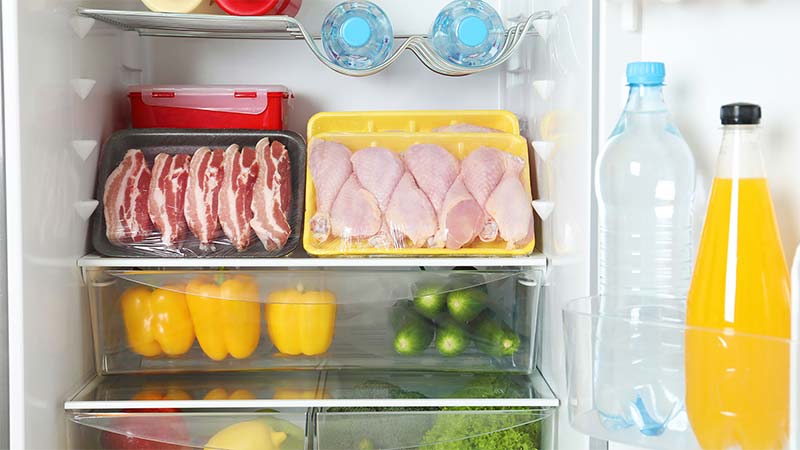
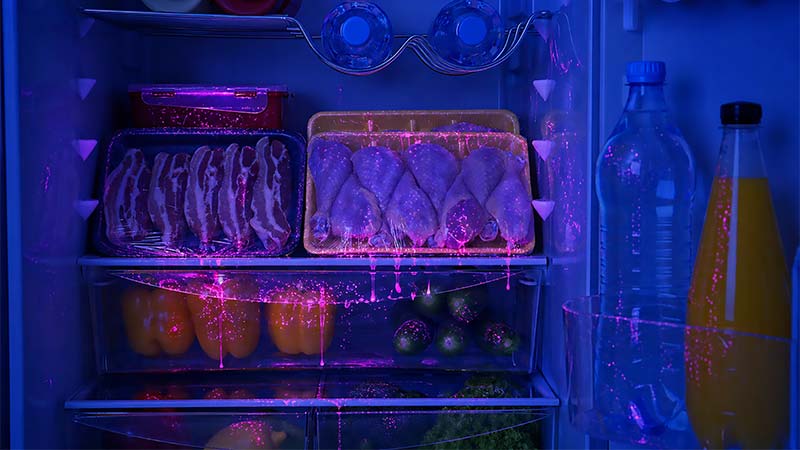
Clean shelves, handles and compartments regularly with warm soapy water, wipe spills straight away, and throw out anything past its use-by date.
Keeping your fridge bacteria-free