

Listeria - what is changing?

Nick Hughes examines how a recent outbreak on the island of Ireland has put Listeria back on the agenda ahead of new EU rules in July 2026.
The risk to public health from Listeria monocytogenes (Listeria) was brought into sharp focus last summer when a significant outbreak of Listeriosis on the island of Ireland was linked to chilled ready-to-heat meals. Nine confirmed cases of infection were reported, resulting in one adult fatality and triggering a large-scale recall of ready meals sold through major retailers.
Just weeks later, the Food Safety Authority of Ireland (FSAI) issued a recall of various branded spinach and mixed leaf products due to the detection of Listeria. Although not linked to the previous outbreak, it showed how effective management of the bacterium remains a persistent challenge for food businesses and regulators.
And with new EU rules coming into effect in July 2026 that tighten requirements around management of Listeria throughout its entire shelf life, the onus is on businesses to ensure their food safety management processes and procedures are up to the mark.
Listeria is widespread in the environment and can enter the food chain through soil, water, animals, raw ingredients and food processing facilities. Humans usually acquire the infection through the consumption of contaminated food, particularly ready-to-eat products where the bacterium can survive or grow during storage. Poor food handling and temperature control practices at any stage of the food chain, including in the home, can increase the risk of infection.
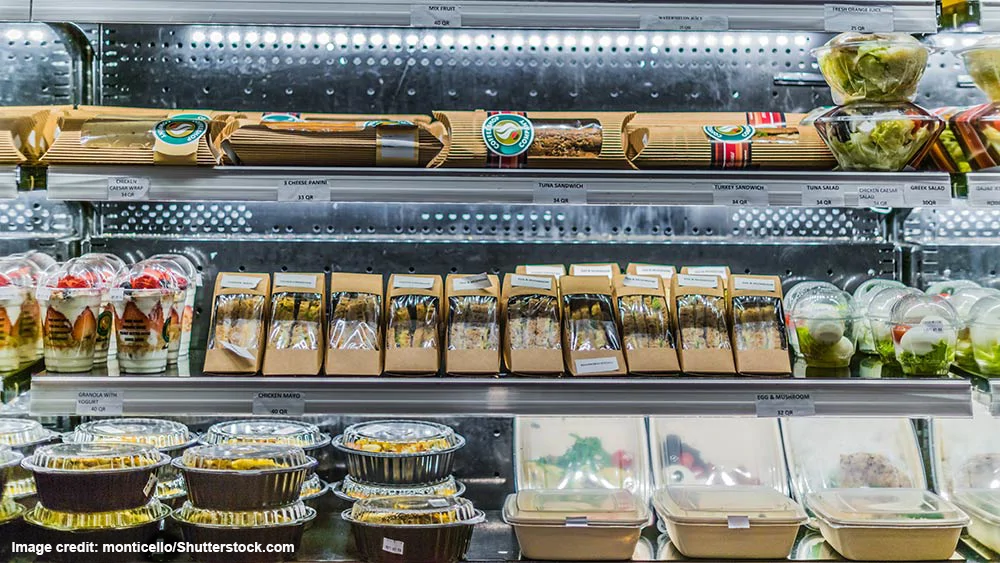
Particularly at risk are those chilled foods that have a long shelf life since Listeria can grow to significant numbers in food held at refrigeration temperatures when given sufficient time. Ready-to-eat (RTE) and ready-to-heat (RTH) foods are considered to be most vulnerable, with previous incidents on the island of Ireland linked to certain meat, poultry and fish products like frankfurters, pâté and smoked salmon; dairy products like soft cheeses and unpasteurised milk; and prepared salads like coleslaw and bean sprouts.
A serious but rare threat
Serious infection with Listeriosis is very uncommon and when it does occur it is almost always in people that are particularly vulnerable to infection. Data from Ireland’s Health Protection Surveillance Centre on the number of infectious disease notifications in Ireland between 2020 and 2025 shows an average of just 17 cases of Listeriosis over the period, compared with much higher levels of Campylobacter (3,564), Salmonella (325) and Shiga-toxin producing Escherichia coli (884).
However, when it does occur, infection can be extremely serious. In 2024, Listeriosis caused the highest proportion of hospitalisations and deaths among all foodborne infections reported in the European Union; about 7 in 10 people infected needed hospital care, and 1 in 12 people died.
Even though contamination is rare, Listeria can cause severe illness, which makes it one of the most serious foodborne threats we monitor. Protecting vulnerable groups, such as older adults, pregnant women or those with weakened immune systems, requires strong surveillance, safe food production and key precautions at home.
Ole Heuer, head of the European Centre for Disease Prevention and Control’s One Health Related Diseases Unit
The challenge of controlling Listeria

What sets Listeria apart from many other harmful bacteria is its ability to survive and grow in moist cold environments; conditions found commonly in food production factories. Controlling it within a food production environment poses significant challenges given its widespread presence, its high resistance to heat, salt, and acidic pH, and its capacity to grow and survive at or below standard refrigeration temperatures.
"Most outbreaks are not caused by a single hygiene failure but rather when persistence develops over time through design, layout, traffic flow, moisture control and management decisions."
Indeed, Listeria control is considered as much a systems management issue as a hygiene issue since most outbreaks are not caused by a single hygiene failure but rather when persistence develops over time through design, layout, traffic flow, moisture control and management decisions.
At Dawn Farm Foods, a major supplier of pre-cooked meat products and other ready-to-eat foods, food safety is an intrinsic part of company culture. “Everything we make is fully cooked and ready to eat, so Listeria monocytogenes is a key hazard that we have to control,” says Dr Nick Andrews, the company’s head of food safety and quality.
Andrews explains that the bacterium will be present in lots of the raw food ingredients brought into the factory, which has to be eliminated through processing steps such as cooking, but it also has to be controlled within the factory environment. This involves strict separation of raw and cooked activities and strict management of the spaces where foods are being processed to prevent the possibility of cross contamination.
For a business like ours, you put a conceptual ring of steel around your RTE processing areas, so you prevent Listeria’s entry through your bio-security controls and your hygiene barriers. It is imperative to have effective cleaning and disinfection procedures so that if it does get in you’re going to clean it out through your hygiene protocols.
Dr Nick Andrews, head of food safety and quality, Dawn Farm Foods
Whole genome sequencing
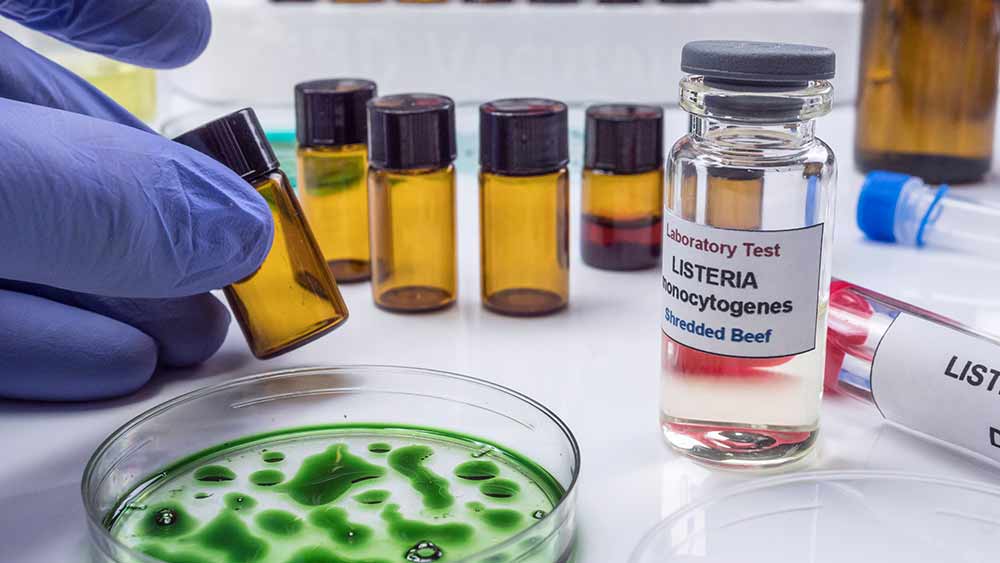
As part of its FoodPlus+ quality and safety guarantee, Dawn Farm Foods is also deploying advanced tools such as whole genome sequencing to help understand the virulence and persistence of Listeria and other pathogens. This has been developed as part of a collaboration with University College Dublin. Andrews says this kind of work has helped the food industry, as well as the public health sector, understand that not all types of Listeria monocytogenes are equal. While all sub-types are potentially pathogenic, some pose a much greater risk of causing illness.
“There are two areas where whole genome sequencing really helps,” he says. “First of all, it helps to track contaminants and understand if you’ve got repeat strains appearing. If you were to keep turning up the same sub-types it suggests they are stuck in your environment or in a single supply line of ingredients.
But if you were to find different strains appearing, it suggests there’s a weakness in the company’s HACCP plan or the biosecurity barriers. That insight can really help focus your corrective actions. The second thing is how the tools can inform you of whether particular strains that you’re finding pose a bigger risk to the business.”
New EU rules from July 2026
Approaches to Listeria risk management have been a key talking point for food businesses ahead of a forthcoming change to the legal framework for controlling Listeria monocytogenes in RTE foods. New microbiological criteria will come into force from 1 July 2026 in the EU and other jurisdictions applying EU law including Northern Ireland.
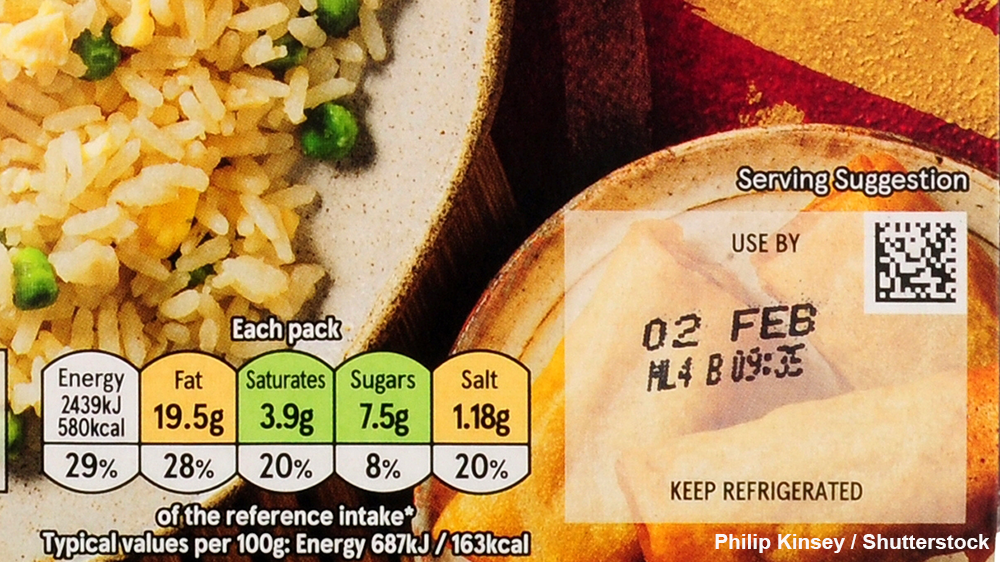
Food businesses are already responsible for substantiating that relevant ready-to-eat foods will not exceed 100 cfu/g of Listeria monocytogenes throughout shelf life. The key change from 1 July 2026 relates to the application of the “not detected in 25g” criterion. The changes to the legislation mean that businesses will need to ensure that Listeria monocytogenes will not exceed detectable levels in 25g of a RTE product throughout its entire shelf life, rather than just before a food has left their immediate control. This can be demonstrated through, for example, predictive microbiology, shelf-life studies, historical or published scientific data and, where appropriate, challenge testing.
The Chilled Foods Association (CFA), like many other business and regulatory bodies, sought to ease concern among businesses by holding a webinar in July 2025 to provide clarity on the rules. CFA director general Karin Goodburn stressed that there is no change to shelf life assessment requirements that have been in place for RTE foods through the regulation for nearly 20 years. The change only applies if the competent authority is not satisfied with the basis for determining the shelf life for a RTE food supporting the growth of Listeria. She added that the European Commission has made it clear there is no requirement nor expectation that challenge testing be done where other shelf life data are available.
In April, Safefood hosted a webinar on the new legislation for food businesses across the island of Ireland. Speakers from the FSAI and food businesses gave practical guidance on listeria control and the imminent change to the regulations. You can watch the recordings here.
Still, regulators will want to see strong scientific evidence to support shelf-life decisions. In January this year, the Commission published new guidance aimed at helping businesses demonstrate compliance with the amendment. It includes advice on how to decide on when and which shelf-life studies are needed with respect to Listeria monocytogenes; how to demonstrate that food products will comply with the Listeria monocytogenes criteria until the end of the shelf life; and how to validate, verify and document that such shelf-life studies are adequate to respect the applicable food safety criterion.
What the changes mean for businesses
The CFA has also published new industry guidance which among other things gives clear direction on how to set shelf life, how to respond to detections of Listeria monocytogenes, and how to use environmental monitoring programme data to support food safety.
We believe the guidance gives food business operators the necessary tools to enable them to review and, where necessary, update HACCP plans and PRPs to reflect the guidance, as well as ensure shelf life justifications are documented and supported by appropriate data. It will also allow them to strengthen environmental monitoring and supplier controls and seek technical expertise if internal capability is insufficient.
Karin Goodburn, director general, Chilled Foods Association
Andrews at Dawn Farm Foods believes most large businesses working with sophisticated retail and foodservice clients will not see any substantive change to current practices from the revised regulation. “Our clients already expect there to be no Listeria in their products at any point throughout their shelf life, so businesses like us with our FoodPlus+ standard are already working to that standard,” he says.
Smaller businesses, however, may be more challenged by the change since they often lack the technical and financial resources to understand how their products might behave throughout the shelf life and engage in a comprehensive testing programme. “I think it is smaller and less technically sophisticated businesses who will find this more challenging going forwards,” says Andrews.
However the new regulation is deployed and enforced, one thing is beyond doubt: management of Listeria is firmly back on the food industry’s agenda.