

Untapped potential of food byproducts

There is a huge untapped potential to use byproducts and wasted food as ingredients. But the journey for businesses is not without challenges. By Irish Times journalist, Sylvia Thompson.
Nearly one third of food produced across the globe is lost or wasted through the entire food chain from farms to processing plants to distribution, sale and consumption. But there is now a growing awareness that such losses are not only an economic issue but also a cost for the environment and a contributor to food insecurity.
Researchers and food businesses across the world are currently trialling the nutritional and functional value of many plant-based waste and byproducts which could be used as natural food ingredients for new products or indeed natural additives to current food products seeking replacements for artificial additives.
In an article for Food Technology and Biotechnology, Swapna Sree Meduri and others highlight the fact the waste management in the food manufacturing sector has become more challenging due to the enormous quantities of byproducts such as peels, seeds and undesirable flesh at various stages of the processing chain.
And in a literature review entitled Transforming plant-based waste and byproducts into valuable products using various "Food Industry 4.0" enabling technologies, Abderrahmane Ait-Kaddour and others look at various food waste and food industry byproducts one by one.
For example, the citrus industry generates vast quantities of residual materials including peel, pulp seeds and leaves which are rich in bioactive compounds including polyphenols, carotenoids, pectin, essential oils and enzymes.
Orange peels, which are a rich source of carotenoids, are among the most prevalent waste product in the food industry.
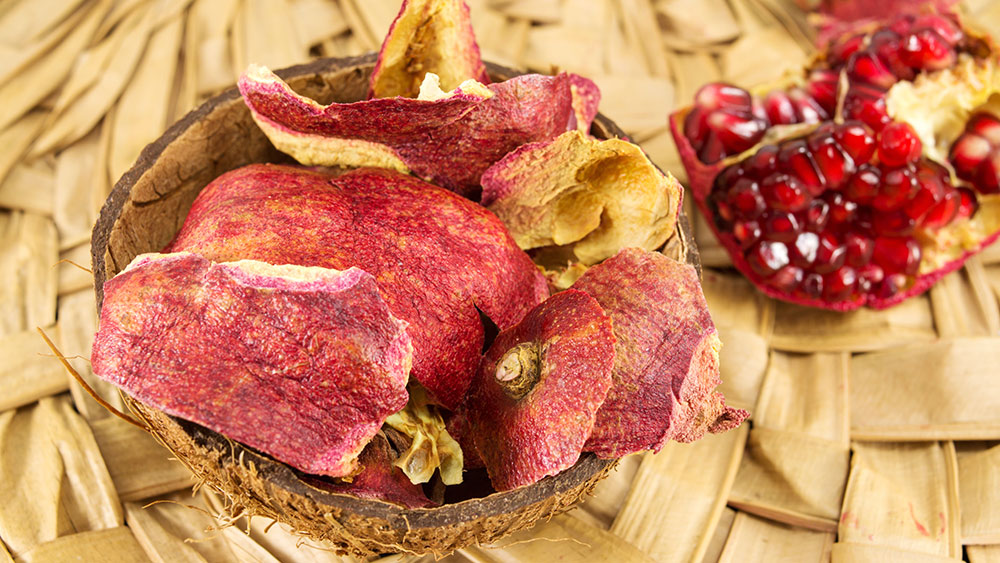
Similarly, pomegranate juice processing plants produce large amounts of waste, particularly as the pomegranate peel makes up about 50 per cent of a fresh pomegranate fruit. Researchers have found that the phenolic compounds in pomegranate peel have antioxidant, antifungal and antiviral properties.
Many fruit peels are also high in dietary fibre which is important for the prevention of health conditions including diabetes, cancer, obesity, cardiovascular and gastrointestinal disorders.
Large amounts of byproducts are also produced during the extraction of olive oil. The leaves and pomace stones and even the wastewater in olive oil production are a source of bioactive and functional compounds with numerous health benefits.
Cereal byproducts also represent a valuable source of dietary fibre as does brewer's spent grains, the main byproduct of beer production.
The circular economy
The commercial potential of some byproducts has already been exploited. For example, wheat germ – a byproduct of wheat milling – is one of the best-known nutritional products known for its health benefits which is already on the market.
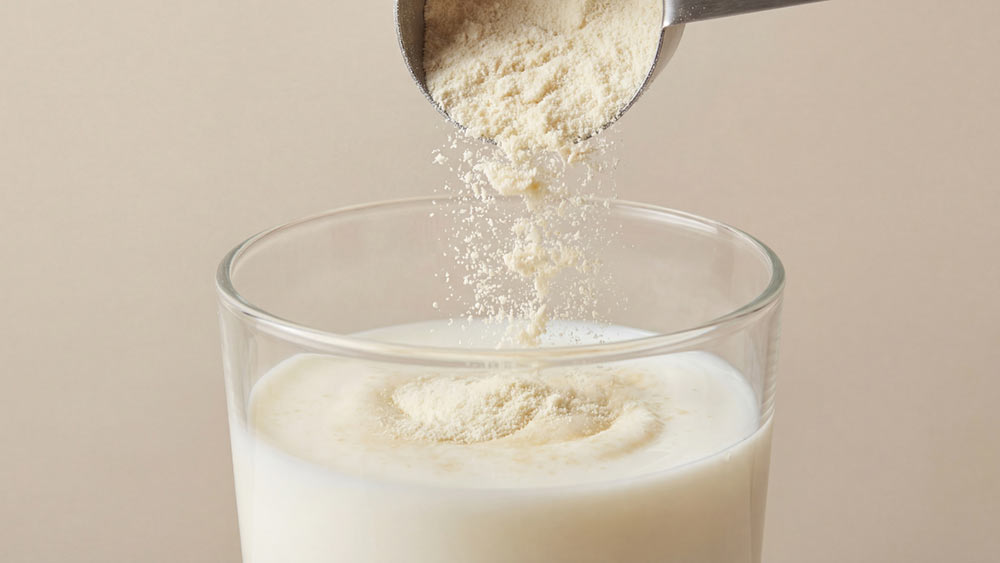
Whey, a byproduct from cheese production is another example of how something previously discarded has been hugely valorised as a protein power food supplement.
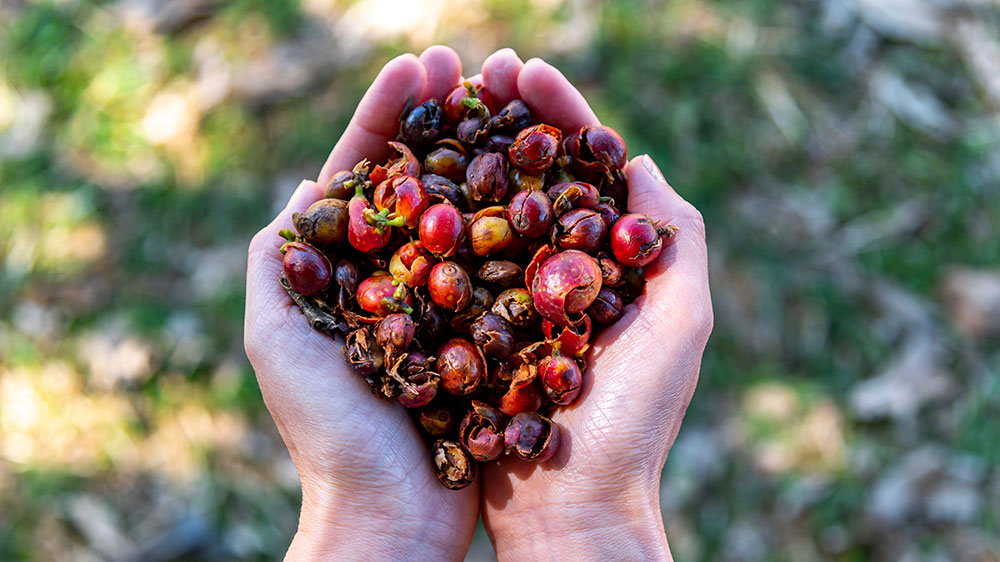
In 2005, Salvadorian coffee farmer, Aida Batlle set off a new flavour trend when she developed cascara from the outer pulp of coffee beans, which soon became popular in coffee chains across the United States.
In a peer reviewed paper published in Foods, researchers led by José Pinela suggest that while innovative technologies offer great potential to convert food waste to high value-added products or food ingredients, it is still early days for these biotechnological, chemical, thermochemical and physical processes to be used more widely.
In the paper entitled Food Waste Biotransformation into Food Ingredients, the authors suggest that these bio-based ingredients have diverse applications as antioxidants, preservatives, flavouring, sweeteners or prebiotics in food stuffs and other consumer goods (such as nutraceuticals).
Such upcycled products could also be a more sustainable alternative to certain potentially harmful food additives that are still in use or have been banned from the food industry.
The backdrop to this is heightened consumer awareness of the health and environmental impacts of certain food additives and ultra processed foods and the desire for healthy snacks with natural ingredients. This awareness is prompting the food industry to seek out natural alternatives – mostly from plants - as replacements for artificial ingredients.
Using waste food or the byproducts of food and beverage production as ingredients for other foods is an age-old practice.
The recent emphasis on the circular economy and bioeconomy has brought a renewed impetus to creating monetary value from food ingredients that heretofore were given away for animal feed, put in food waste bins for composting or even discarded in mixed waste disposal units.
In the bioeconomy, renewable biological resources are used to produce food, animal feed, bio-based products, energy and services, reducing waste and carbon emissions in the process.
Exploiting food waste in Ireland
In October 2025, the Department of Agriculture, Food and the Marine in Ireland announced a €4.5 million investment in the bioeconomy.
The initiative will support projects such as AMBIO, All Island Marine Bio-based Refineries for Circular Blue-Bioeconomy which seeks to show how side-streams from aquaculture and seafood processing could be transformed into high-value ingredients for human food, animal feed, cosmetics and chemicals.
However, Pinela and his team note that there are significant challenges for food businesses seeking to bring such byproducts to market as food ingredients.
These challenges include pre-treatment and transportation of such feedstock, the market value of such products and potential need for large production lines to make a profit. The safety, traceability, certification and consumer acceptance of these upcycled ingredients are other significant issues to be dealt with.
That said, some food innovators are stepping into the space. These include Rubies in the Rubble, the UK-based company which makes ketchup from surplus fresh fruit and vegetables sourced directly from farms. They also make a mayonnaise with citrus fibre that is usually discarded.
In Dublin in 2020, Giselle Makinde developed her Cream of the Crop gelato made from waste fruit (mainly bananas and pineapples) and chocolate, peanut butter and other unsalable foods from suppliers.
After much success, she had to close her business in 2024 due to high labour costs. "My board didn't want to take on outside investors so sadly I had to close, but I'm working on a new product now from an ingredient that is under-explored here," she says.
The Offaly-based food business, BiaSol, is an example of a successful innovative food company which has created new products (BiaSol oat bites and granola) using spent grains from the brewery industry as the key ingredient.
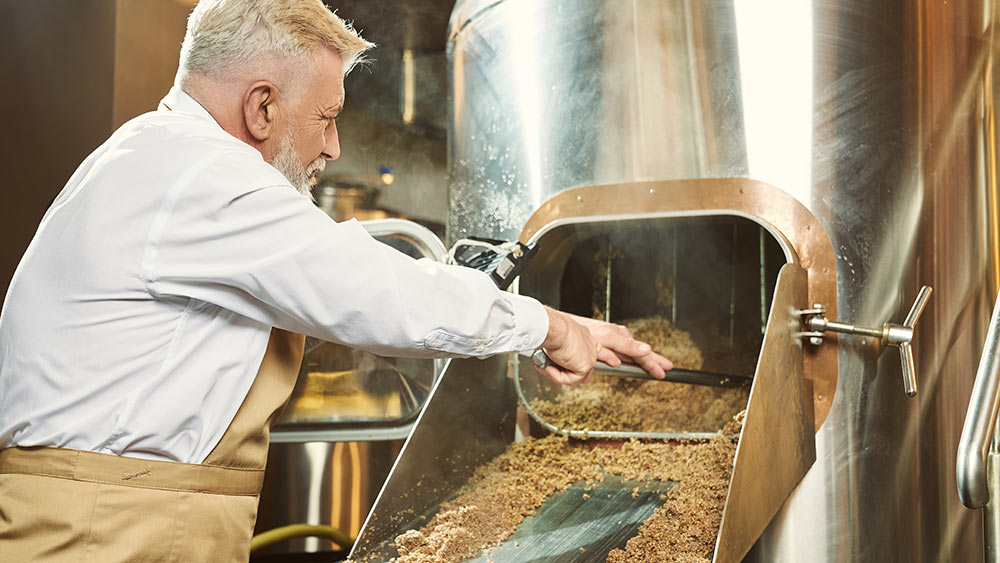
The business started when University of Limerick food science graduate, Niamh Dooley was researching how to produce a nutritious food product in a sustainable way.
Back in Ireland during the Covid-19 pandemic after three years working in Vancouver, Niamh first considered using ground up crickets as a high protein food ingredient. "My research concluded that people in the Western world weren't ready to eat crickets," she explains.
Instead, she decided to look into what was the most wasted product in Irish food and drinks manufacturing.
She quickly discovered a staggering 170,000 tonnes of spent grains are byproducts of making beer in breweries across Ireland. And when she cold called 30 breweries requesting access to their spent grains, they said they had never been asked for it for a food ingredient before.
The smaller breweries usually gave away the spent grains to local farmers while the larger ones sold it as animal feed.
"Spent grains are the outer layer of barley that is left over after the brewers heat it to 80 degrees Celsius to extract the starch which converts to sugar for fermented alcohol," Niamh explains. "Once the starch is removed, the husks have 40 per cent fibre and 20 per cent protein".
Back home in her parents' kitchen, Niamh began experimenting with the spent grains – drying and milling them for use in breads and other baked products. Meanwhile, with her brother, Ruairí, she pitched the business idea to use these spent grains as a nutritious food ingredient for snack bars and breads to Enterprise Ireland.
There is nowhere in Ireland that you can send your food waste for upcycling.
— Ruairí Dooley, BiaSol
In January 2021, the siblings were awarded €50,000 Enterprise Ireland investment for 10 per cent of the company. Ruairí, an accountancy and finance graduate returned from Australia to start the business with his sister.
Niamh and Ruairí Dooley began selling their new food ingredient to artisan bakeries and chefs from a HSE approved commercial kitchen in Ferbane, County Offaly. But they quickly realised that they could create their own-branded bars and granola for sale to retailers, cafes and hotels. They also obtained third party food quality and safety accreditation through independent audits of their processes from the British Retail Consortium (BRC) to enable the exportation of their products.
In 2023, the business moved to a larger facility in Tullamore, County Offaly and BiaSol products are now sold throughout Ireland, the UK and more recently to the United Arab Emirates.
Their apple and cinnamon and brownie Oat Bites have won Great Taste awards in the UK. Tesco also co-branded their spent grain loaf, displaying the food ingredient provenance from BiaSol and O'Hara Brewery, the original source of the spent grains.
Aware that there was more potential to reduce food waste in food manufacturing in Ireland, Ruairí and Niamh Dooley set up the Circular Food Company in 2023.
"We advise and consult with any food manufacturer on how to reduce their food waste as currently, there is nowhere in Ireland that you can send your food waste for upcycling," explains Ruairí Dooley.
The Dooleys believe that while many companies are aware of the quantities of food waste in their production lines, they need help to work out what to do with it.
The Circular Food Company runs trials on their food waste to see what can be rescued as a food ingredient. "Often companies don't have the processing capability to use these ingredients as it doesn't make commercial sense to invest in production facilities for separate rescued ingredients," says Niamh.
The Bretzel Bakery is one of the food businesses that the Dooleys have worked with.
Dymphna O'Brien, managing director of the Bretzel bakery explains that sandwich makers, cafes and hotels who purchase their large sliced sourdough loaves didn't want the heels and smaller slices towards the edge of the loaves.
"We slice the loaves and take off the last three slices before sending it to them and up to now, we were paying to have these wasted slices of sour dough bread taken away," she explains.
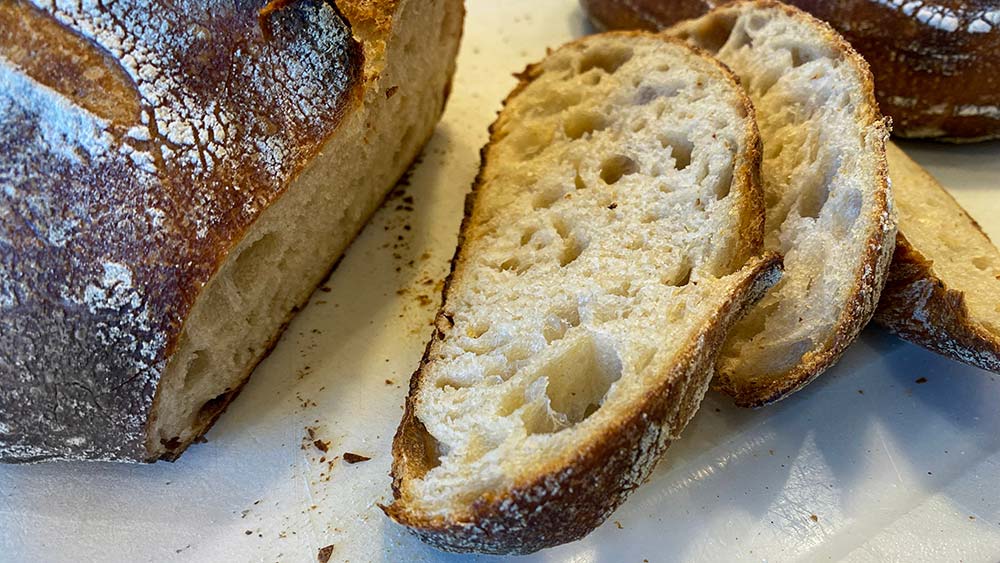
However, trials carried out by the Circular Food company found that when dried, these slices are perfect as a crumb for the meat processing industry.
"So now Ruairí takes away 1,000kg of sourdough heels from us each week which is about three per cent of the sourdough we produce for sandwiches," explains Dymphna.
The Bretzel sells this heretofore wasted bread to the Circular Food Company for a token price and the Dooleys then dry and package it for sale as a crumb for processed meat.
"It's all part of our sustainability journey. The next product we need to find a use for are the heels of our multi-seed loaves, which can't be mixed in with the heels from our sour dough loaves," adds O'Brien.
Meanwhile, BiaSol's newest venture is the development of a cocoa powder replacement, made from – you've guessed it – spent grains.
"Climate-related issues have resulted in low availability of cocoa which has meant the price has also gone up," explains Ruairí.
Their product, Cocomalt is made from spent grains from O'Hara brewery stout. Because it is roasted a bit longer to make the stout, the spent grains have a deeper colour and richer flavour.
"The product is in development in the UK and Ireland, and we are hoping bakers and food manufacturers will use it as a substitute for a portion of cocoa powder, which will be cheaper with more fibre as well and reducing importation," says Ruairí.